Insider trading training delivered by experts
Train directors, officers, and employees with a complete insider trading course written by US securities lawyers.
Announcing InsiderList Projects. Let trusted people set up and run sensitive projects with oversight.
Learn more about ProjectsTrain directors, officers, and employees with a complete insider trading course written by US securities lawyers.
Insider trading course
Give your covered persons a course on the rules your policy enforces.
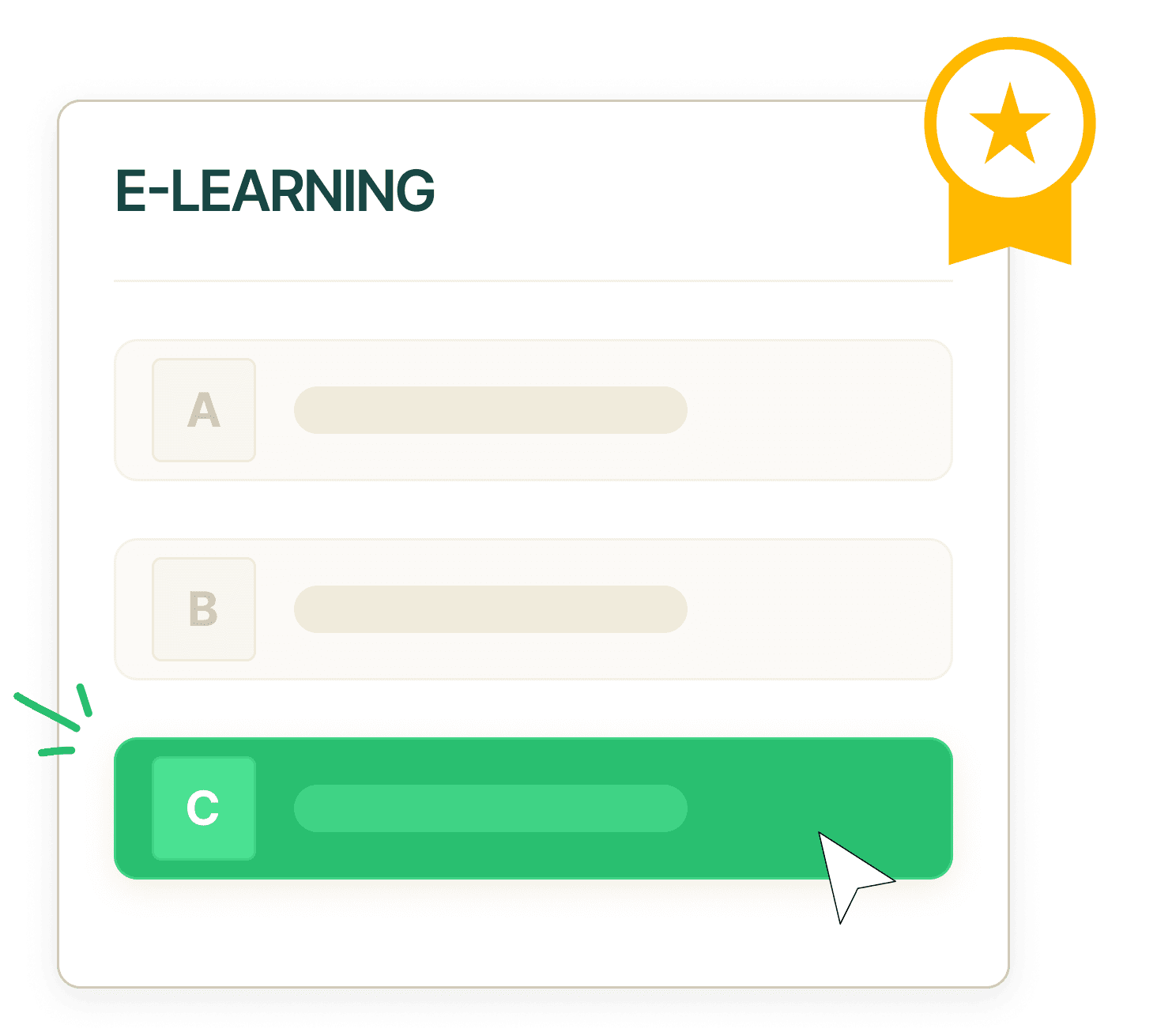
Get expert instruction and support throughout your training with a course written by US securities lawyers and delivered by InsiderList.
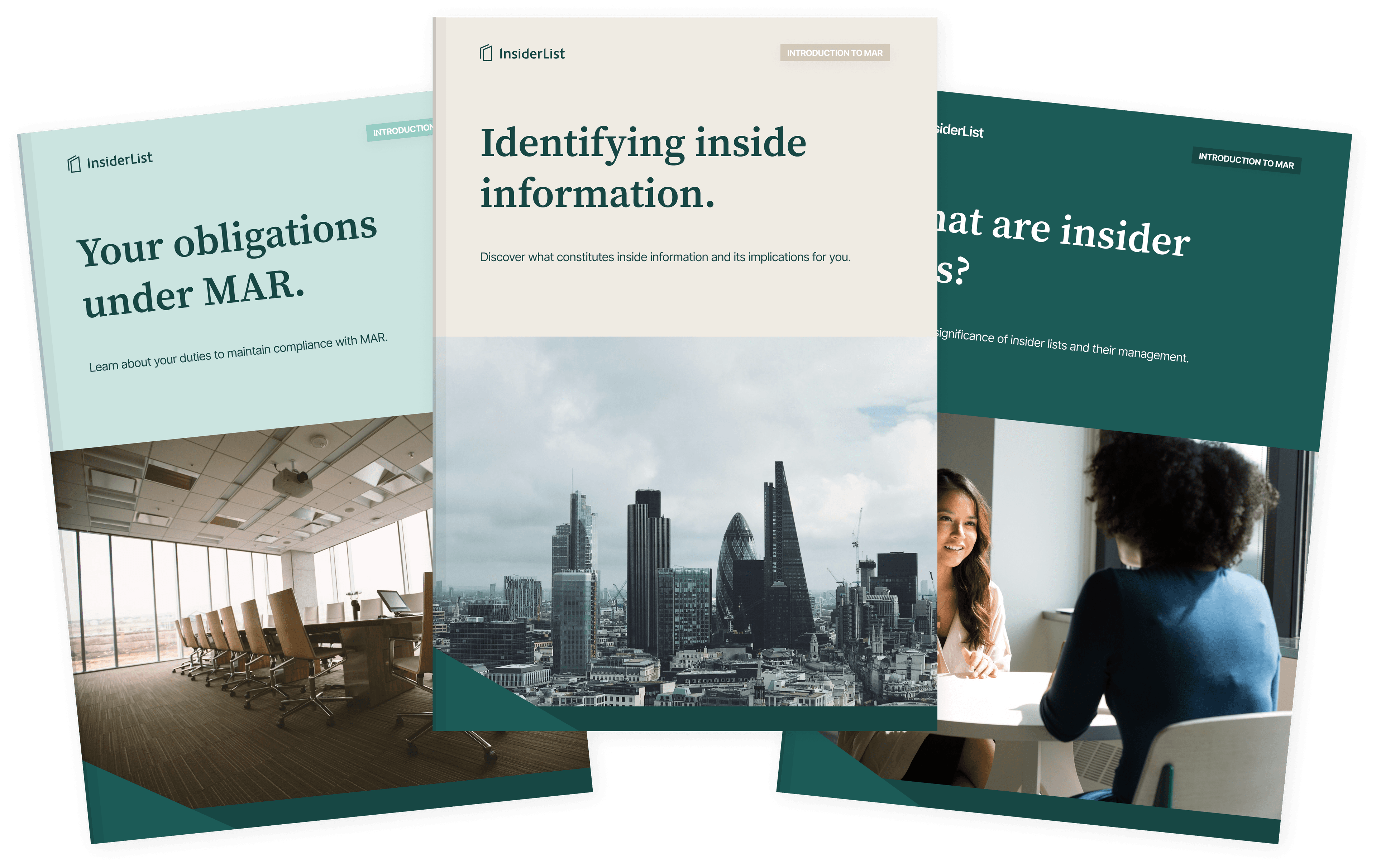
Learn the SEC insider trading rules that apply to your role and to your company's policy.
Get hands-on practice with each rule to keep your trades inside your company's policy.
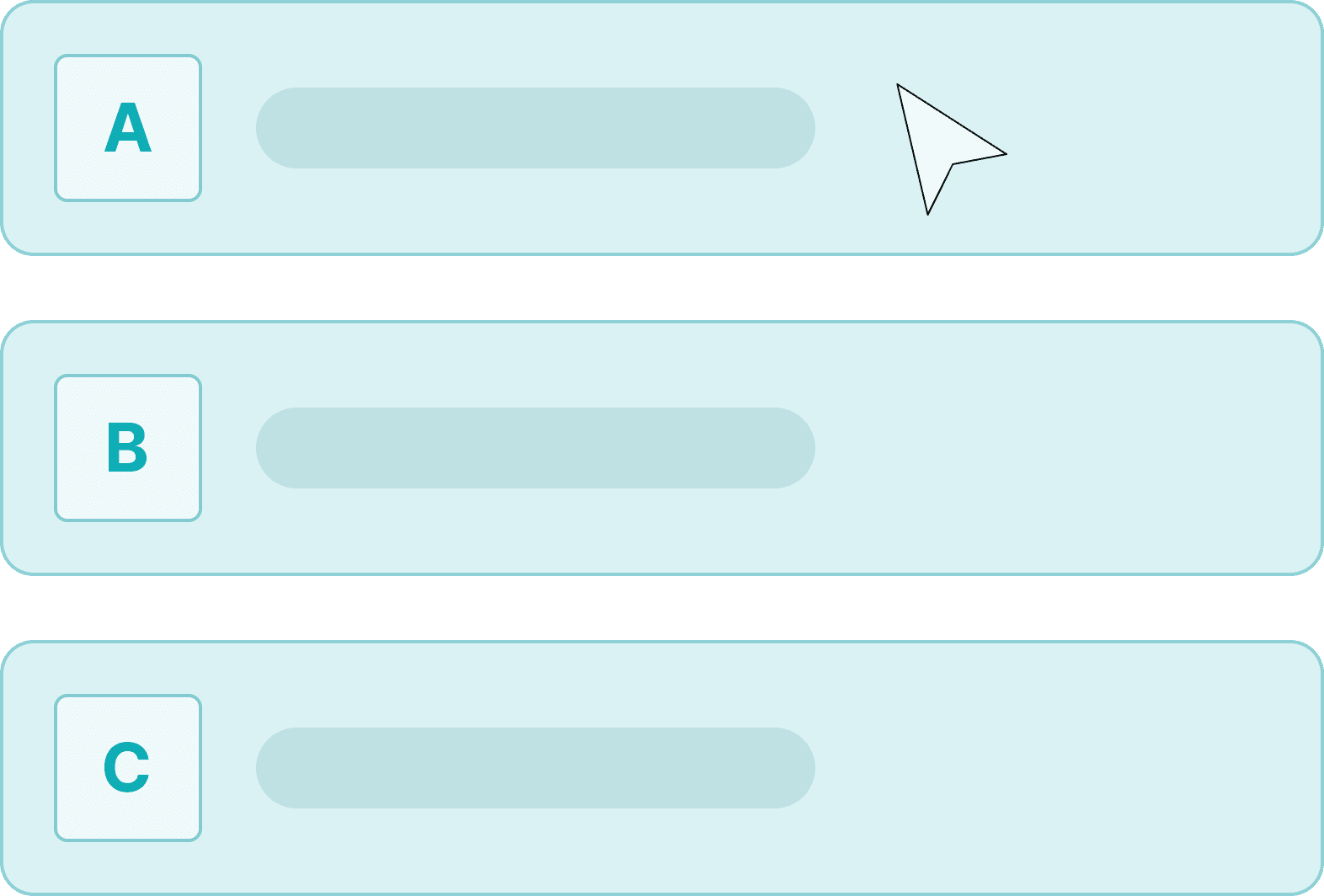
Answer interactive, scenario-based questions to understand the rules and apply them to real trades.
With flexible learning options, you can learn at your own pace and on your own schedule.
Upon completion of the training, InsiderList awards a certificate, validating the user's proficiency in compliance and regulatory standards.
Learn how we can help your team meet their compliance training requirements.
Get in touchWhat is an MNPI list?
An MNPI list is InsiderList's record of a confidential development and who has access. It tracks the deal team, when each person got access, and their acknowledgments, so you can show who had access and when.
How does filing Forms 3, 4, and 5 work?
Reviewed, filing-ready Section 16 data is prepared automatically for your filing provider. Once they file, the acknowledgment, filed Form, and accession number are reconciled against what you sent.
What does filing-ready mean?
Filing-ready means every field passed the built-in validations, so you or your filing provider can submit it as it stands.
What about Form 144 and Schedule 13D or 13G?
Each recorded sale over the Form 144 threshold opens a review with an owner and a deadline. You keep reconciled holdings in one place for your Schedule 13D and 13G filings.
Does US law require a list of insiders per project?
No. US law prescribes no project-by-project list of insiders, but your policy, board, and regulator expect evidence of who had access to MNPI and when. MNPI lists, restricted securities, and pre-clearance records provide it.
Who uses InsiderList at a public company?
Your corporate secretary, general counsel, and stock plan administrator work in one place. Directors and officers request clearance and see their window status in a simple portal.
How do blackout periods work?
Enter each period's dates to send start and end notices automatically to every Section 16 person and covered person in your wording. Requests are reviewed or blocked according to your policy.
Can directors request pre-clearance from their phone?
Yes. Directors and officers request clearance from a portal on any device, and see their window status and what was reported for them.
Does InsiderList track Rule 10b5-1 plans?
Yes. Track each plan from cooling-off to execution, and export a reviewed table for Item 408 preparation each quarter.
What are restricted securities?
Restricted securities are securities your people may not trade, including your own stock or securities restricted through board seats. Each match on a trade request is flagged automatically to you alone.
When are Forms 3, 4, and 5 due?
Each Form's deadline is calculated automatically on the federal EDGAR or NYSE calendar. Form 4 is due by the end of the second business day.
How fast can we get started?
We onboard your data free of charge, with nothing to install. Your data is loaded and ready to use within 24 hours.
Award winning compliance

InsiderList is trusted by thousands of people and hundreds of teams, from public companies to the advisers who work with them.
View testimonialsTeach your people SEC insider trading rules and the policy they sign.
Learn when information is material and nonpublic, and what trading on it costs in fines and prison.
Learn why tipping a friend or relative counts as insider trading so you can protect confidential information.
Know when your trading window closes and how to get approval before you trade.
Adopt a trading plan with the right cooling-off period and keep it in good faith.
File Form 4 within two business days and avoid short-swing profits you must repay.
Apply the policy to gifts of stock, hedging and pledging, and trades in a peer company's shares.